


 $1 first month rent









Outdoor vs. Covered vs. Indoor Boat Storage
Most self storage facilities that accept boats offer one or more of three space types. The best choice depends on how long the boat will sit, your climate and how much you're willing to spend for protection.
- Outdoor spaces are marked parking spots in a fenced, gated lot. They're usually the most affordable option and work well with a quality fitted cover.
- Covered spaces have a roof or canopy overhead with open sides. They help block direct sun, which can fade gelcoat and upholstery, and keep snow off the cover.
- Indoor or enclosed spaces keep the boat inside a building or a large drive-up unit. They offer the most protection from weather and prying eyes, but they're less common and often fill up early in the season.
Example: storing a bowrider for the winter
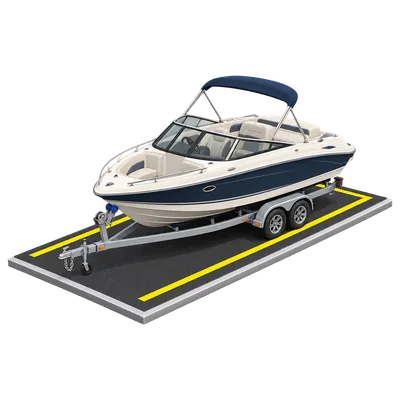
If you use a 20-foot bowrider from late spring to early fall, you might winterize it, put on a fitted cover and park it in a covered space from October to April. The roof keeps heavy snow off the cover, the trailer stays ready to tow, and you can pick it up as soon as the lake opens.
How to Measure Your Boat and Trailer
The length printed in your boat's paperwork usually isn't the number that matters for storage. A boat space has to fit the whole rig, so measure the boat while it's sitting on the trailer:
- Overall length: from the front of the trailer tongue to the furthest point at the back, including an outboard motor, swim platform or anything that sticks out.
- Width: at the widest point, which may be the trailer fenders rather than the hull.
- Height: from the ground to the highest point, including a towing mirror, T-top, tower or windshield. This matters for covered and indoor spaces.
Leave yourself some room
Choose a space with a little extra length so you can back in without the tongue or motor hanging into the drive aisle. A space that technically fits but is hard to maneuver into can make every visit a chore.
Winterizing and Prep Before Storage
How you prepare a boat depends on the engine, the boat's systems and your climate, so start with the manufacturer's recommendations. Common steps owners take before storing a boat for the season include:
- Treating the fuel with a stabilizer and running the engine so it circulates, if your engine maker recommends it.
- Draining or protecting water systems, livewells and the engine's cooling system before freezing weather.
- Changing the oil and filter, and checking the lower unit if you have an outboard or sterndrive.
- Cleaning and drying the hull, deck and upholstery, and removing food, wet gear and electronics you can take home.
- Disconnecting or removing the battery, or keeping it charged with a maintainer where the facility allows.
- Covering the boat with a snug, vented cover, and checking the trailer's tires, lights and wheel bearings.
If you're not comfortable winterizing yourself, a marine technician can do it. Skipping it in a cold climate can lead to costly repairs in spring.
Can a Boat Fit in a Storage Unit?
Smaller boats sometimes can. A jet ski, a small fishing boat or a pair of kayaks may fit in a large drive-up unit, which gives you a locked, enclosed space and somewhere to keep cushions, life jackets and gear alongside the boat.
| Option | Typical fit | Things to check |
|---|---|---|
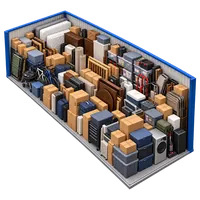
| 10x20 unit | A PWC or very small boat on a trailer | Door width and overall length with tongue |
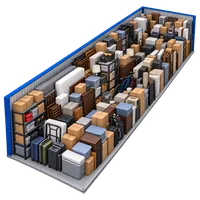
| 10x25 unit | A small boat on a trailer | Door height, motor clearance, facility rules |
| Boat space | Most trailered boats | Space length and whether it's covered |
Unit sizes are floor dimensions, and door openings are usually narrower than the unit itself. Always measure the rig and ask whether the facility allows boats inside units before you rent.
What Does Boat Storage Cost?
Prices vary by city, facility, space type and the length of space you need. Outdoor spaces are generally the least expensive, covered spaces cost more and indoor spaces usually cost the most. Demand often rises in fall when owners pull their boats from the water, so reserving early can help. Ask about insurance requirements, gate hours, whether the lot is lit and monitored, and whether there's a nearby wash-down or dump station if that matters to you.
Frequently Asked Questions About Boat Storage
What's the difference between outdoor, covered and indoor boat storage?
Outdoor storage is an open parking space, usually in a fenced lot. Covered storage adds a roof but leaves the sides open, which helps with sun and snow. Indoor storage keeps the boat inside a building, offering the most protection, but it tends to be less common and in higher demand.
How do I know what size boat space I need?
Measure the total length from the front of the trailer tongue to the furthest point at the back, including an outboard motor or swim platform. Measure the widest point and the height on the trailer too, then compare those numbers with the space dimensions the facility gives you.
Do I need to keep my boat on a trailer?
At most self storage facilities, yes. Boat spaces are usually designed for trailered boats so they can be moved if needed. Ask the facility about its rules if your boat sits on a cradle or stand.
Should I winterize my boat before storing it?
If it will sit through freezing temperatures, winterizing is important to help prevent damage to the engine and water systems. Follow your engine manufacturer's instructions or have a marine technician do it.
Can I fit a boat in a regular storage unit?
Do I need insurance to store my boat?
Many facilities require proof of insurance or a protection plan for stored boats. Check with your insurer about coverage while the boat is in storage, and ask the facility what they require.
Can I store fuel in my boat while it's in storage?
Rules vary. Many facilities restrict loose fuel cans and other flammables, and some have requirements for fuel left in the tank. Follow your engine maker's guidance on fuel stabilizer and check the facility's rules.
Can I work on my boat at the storage facility?
Most facilities don't allow repairs or maintenance beyond basic tasks in their lots. Ask before you plan any work, and do bigger jobs at home or at a marine shop.
Can I store a jet ski or kayak instead of a boat?
Yes. Jet skis and PWCs on trailers are commonly stored in boat or vehicle spaces, and kayaks or canoes can often go in a regular unit. A 5x15 can work for a couple of kayaks laid flat or racked.
 (888) 218-0157