












How Climate Controlled Storage Works
Climate controlled units are usually inside a building served by heating and air conditioning. Instead of swinging with outdoor weather, the space is kept within a moderate temperature range year-round. Many facilities also use dehumidifiers or building systems to limit moisture. The details vary from one property to the next, so if you're storing something with specific needs, ask the facility how its units are managed.
Because most climate controlled units are indoors, they also tend to be better sealed against dust, rain and pests than drive-up units. The trade-off is that you may need to use a hallway, cart or elevator to reach your unit rather than parking right at the door.
What Climate Control Protects Against
Temperature swings and humidity are the main threats to stored belongings. Heat can soften adhesives, fade fabrics and stress electronics. Cold can make some materials brittle. Repeated changes cause wood to expand and contract, which can lead to warping and cracked joints. Humidity is often the bigger problem: damp air encourages mold and mildew, causes paper to curl and stick together, and can corrode metal parts.
How much these risks matter depends on where you live and how long you store. A unit in a hot, humid region faces very different conditions than one in a mild, dry climate, and a few weeks of storage is far less demanding than a year. Items packed in cardboard can also absorb moisture over time, which is one reason sealed bins are popular for long stays.
Climate control isn't a guarantee
A steadier environment reduces risk, but it doesn't make items immune to damage. Clean, dry and pack belongings properly, and confirm your insurance or protection plan covers what you store.
Items That Benefit Most From Climate Control
Not everything needs a climate controlled unit. These categories are the most commonly recommended for it:
- Wood, leather and upholstered furniture, including antiques and heirlooms.
- Mattresses, bedding, clothing and other fabrics.
- Electronics, computers, televisions and audio equipment.
- Documents, books, photographs and artwork.
- Musical instruments, collectibles and keepsakes.
- Business records, inventory and supplies sensitive to moisture.
Example: storing a family piano and heirlooms
If you're downsizing and want to keep a piano, a wood dining set and boxes of family photos until a relative can take them, a climate controlled unit is a sensible choice. Wood instruments and furniture are sensitive to humidity changes, and photos can stick together or fade in damp heat. Store photos in archival boxes and keep the piano away from exterior walls.
Is Climate Controlled Storage Worth the Cost?
Climate controlled units usually cost more than standard units of the same size, but prices vary by city and facility. Whether it's worth it depends on three things: what you're storing, how long you'll store it and your local weather. A few months of durable, boxed items in a mild climate may do fine in a standard unit. A year of wood furniture and electronics in a hot, humid area is a different story.
| Situation | Standard unit | Climate controlled |
|---|---|---|
| Boxes, tools, plastic bins | Usually fine | Optional |
| Short stay in mild weather | Usually fine | Optional |
| Wood furniture, months or longer | Higher risk | Recommended |
| Electronics, photos, documents | Higher risk | Recommended |
Mixed loads are common. If most of your belongings are durable but a few pieces are sensitive, you might rent a smaller climate controlled unit for those items and a standard unit for the rest, or simply choose climate control for everything to keep it in one place.
Think about replacement cost, too. If the items would be expensive or impossible to replace, the extra monthly cost can be a reasonable price for peace of mind.
Packing for Climate Controlled Storage
Start with clean, completely dry belongings; moisture trapped inside a box or under a cover can cause problems even in a climate controlled space. Use sealed plastic bins for papers, photos and fabrics, and breathable cotton covers or moving blankets for wood and upholstered furniture rather than tight plastic wrap. Raise items slightly off the floor on pallets or shelving and leave a little space between furniture and walls so air can circulate.
Label boxes clearly, keep fragile items on top and leave an aisle if you plan to visit. For help choosing a size, see the storage unit size guides, or read our guide to renting a storage unit.
Frequently Asked Questions About Climate Controlled Storage
What temperature are climate controlled storage units kept at?
Facilities typically keep climate controlled units within a moderate range so they don't get as hot or cold as outdoor conditions. The exact range differs by facility and region, so ask the facility directly if you're storing something with specific requirements.
Does climate controlled storage control humidity?
Many climate controlled units manage humidity as well as temperature, but not all of them. If moisture is a concern, ask how humidity is handled and whether the building uses dehumidifiers.
Is climate controlled storage worth it?
It's often worth it for wood furniture, electronics, documents, photos, artwork and other sensitive items, especially if you're storing them for months or live somewhere hot or humid. For boxes of durable items stored briefly, a standard unit may be enough.
How much more does climate controlled storage cost?
Climate controlled units usually cost more than standard units of the same size, but the difference varies by city and facility. Compare prices for both types near you to see the actual gap.
Do I need climate control for furniture?
Wood, leather and upholstered furniture can benefit from climate control, particularly over long periods, because heat and humidity can cause warping, cracking or mildew. Metal and plastic furniture are generally less sensitive.
Should electronics go in climate controlled storage?
It's a good idea. Extreme heat, cold and moisture can affect batteries, screens and circuit boards. Store electronics in their original boxes or padded containers and follow the manufacturer's storage guidance.
Can I store a mattress in a standard unit?
You can, but mattresses can absorb moisture and odors, so climate control is often recommended for longer stays. Clean the mattress, let it dry fully and use a breathable cover rather than sealed plastic.
Are climate controlled units always indoors?
Most are inside a building with hallway access, which also helps keep out dust and pests. Some facilities offer climate controlled units with exterior doors, so ask about the layout if drive-up access matters to you.
What size climate controlled unit do I need?
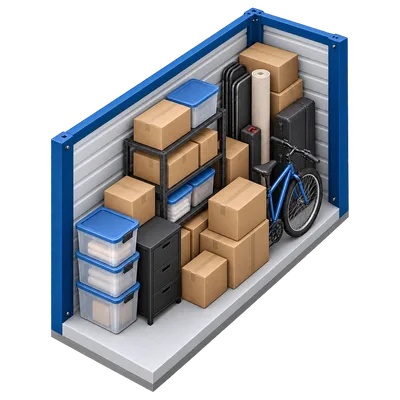
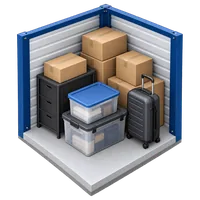
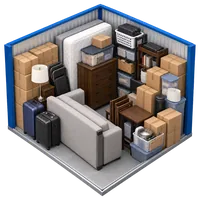
Climate controlled units come in the same sizes as standard units. A 5x5 suits files and keepsakes, while a 10x10 often holds a furnished one-bedroom. See our size guides for details.
 (888) 218-0157