


 $1 first month rent









Outdoor vs. Covered vs. Enclosed RV Storage
Most facilities that accept RVs offer one or more of three space types. The right choice depends on your climate, how long the RV will sit and how much protection your rig needs.
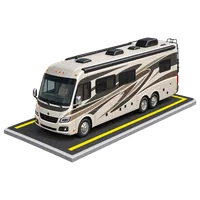
- Outdoor spaces are long, marked spots in a fenced lot. They're usually the most affordable and work well with a breathable RV cover and tire covers.
- Covered spaces have a tall roof with open sides. Sun and weather are hard on an RV's roof membrane, seals and decals, so a roof overhead can help over the long run.
- Enclosed spaces keep the RV behind walls and a door. They offer the most protection and privacy but are less common, often have height limits and tend to cost the most.
Example: storing a travel trailer for the winter
If you camp from spring through early fall, you might winterize the plumbing, remove food and linens, close the propane valves and back the trailer into a covered space for the winter. The roof keeps snow off and limits sun damage, and the trailer stays hitch-ready for the first trip of the year.
RV Classes and Typical Lengths
RV lengths vary widely by make and model, so treat these as rough ranges and always measure your own rig.
| RV type | Rough length | Storage notes |
|---|---|---|
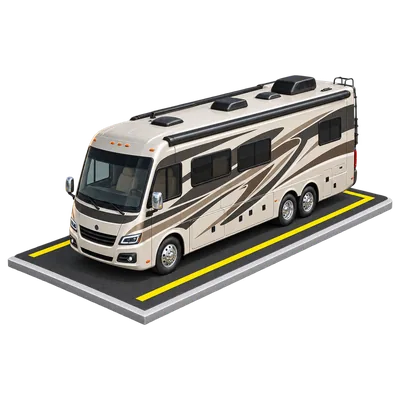
| Class A motorhome | About 26 to 45 ft | Needs the longest spaces; check height under covered roofs |
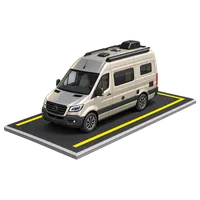
| Class B camper van | About 17 to 24 ft | Fits many standard spaces; may fit a large drive-up unit if the door is tall enough |
| Class C motorhome | About 20 to 35 ft | Cab-over bunk adds height; measure to the top |
| Travel trailer | About 12 to 35 ft | Include the tongue and hitch in your length |
| Fifth wheel | About 25 to 45 ft | Tall and long; covered spaces need generous clearance |
Pop-up campers and teardrop trailers are much smaller and may fit in a standard vehicle space or even a 10x20 drive-up unit, depending on their dimensions.
How to Measure Your RV
The length in a brochure may not include everything that sticks out. Before you compare spaces, measure:
- Overall length: from the front of the hitch, tongue or bumper to the back of the ladder, spare tire, bike rack or cargo carrier.
- Height: from the ground to the highest point, including air conditioners, vents, antennas and solar panels. This matters most for covered and enclosed spaces.
- Width: with mirrors and awnings in their stored position. Slide-outs should stay retracted in storage.
Plan for backing in
A space that fits on paper can still be hard to reach if the drive aisle is tight. Ask the facility about aisle width and whether spaces are pull-through or back-in, and choose a few extra feet of length if you can.
How to Prep an RV for Storage
Your RV's owner's manual is the best guide, but owners commonly do the following before storing for a season:
- Drain and flush the fresh, gray and black tanks, and winterize the plumbing if temperatures will drop below freezing.
- Remove all food, clean the fridge and prop its doors open to prevent odors and mildew.
- Close propane valves, and remove tanks if the facility requires it.
- Disconnect or remove the house and chassis batteries, or use a maintainer where power is available.
- For motorhomes, follow the manufacturer's advice on fuel and stabilizer, and run the generator as recommended.
- Check the roof and seals, close vents and blinds, and use a breathable cover and tire covers.
- Seal gaps and use pest deterrents to keep rodents and insects out.
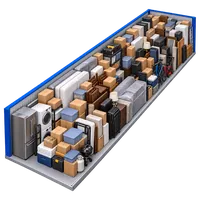
Take valuables, documents and electronics home. If you need room for camping gear, bikes and outdoor furniture, a small 5x10 unit at the same facility can keep it close by.
What Does RV Storage Cost?
Prices vary by city, facility, space type and the length of space you need. Outdoor spaces are usually the least expensive, covered spaces cost more and enclosed spaces generally cost the most. Demand can rise in fall as camping season ends, so reserving early may help. Ask about insurance requirements, gate hours, lighting and cameras, and amenities like dump stations, air and wash areas.
Frequently Asked Questions About RV Storage
What size RV storage space do I need?
Measure your rig's total length, including the hitch or tongue on a towable and anything mounted on the back such as a ladder, spare tire or bike rack. Then choose a space with a few feet to spare so you can back in comfortably. Facilities list their space lengths, and they vary from place to place.
What's the difference between outdoor, covered and enclosed RV storage?
Outdoor storage is an open parking space, usually the most affordable. Covered storage adds a tall roof that protects the RV's roof, seals and finish from sun and snow. Enclosed storage keeps it behind walls and a door for the most protection, but it's less common and usually costs more.
Can a camper van fit in a regular storage unit?
Some compact Class B camper vans may fit in a large drive-up unit, but many are too tall for standard roll-up doors. Measure the height, including roof vents, solar panels and racks, and confirm the door clearance and length with the facility. A 10x25 is a starting point for length only.
Do I need to winterize my RV before storing it?
If it will sit through freezing temperatures, winterizing the plumbing is important to help prevent burst lines and damaged fixtures. Follow your RV manufacturer's instructions, or have an RV service center winterize it for you.
Can I leave propane tanks on my RV in storage?
Policies vary by facility and local rules. Some allow properly closed tanks on the RV, while others require you to remove them. Ask the facility before you store, and always close the tank valves.
Do I need insurance to store my RV?
Many facilities require proof of insurance or a protection plan for stored RVs. Ask your insurer about coverage while the RV is in storage and confirm the facility's requirements before you move in.
Can I live in or work on my RV at the storage facility?
No. Storage facilities don't permit living in stored RVs, and most don't allow repairs or maintenance on site. Some offer amenities like dump stations or air for tires, so ask what's available.
Should I keep the RV's batteries connected in storage?
Batteries can drain while the RV sits. Many owners disconnect them, remove them for charging at home, or use a battery maintainer where the facility has power. Follow your RV and battery manufacturer's guidance.
Can I store a travel trailer and its tow vehicle together?
Usually you'd rent a space long enough for the trailer alone, since most people drive the tow vehicle. If you want to store both, ask the facility about a longer space or a separate car storage space.
 (888) 218-0157