

 The first full month free









How Storage Units Work
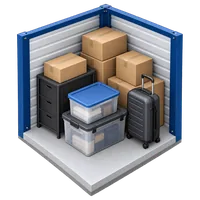
Renting a storage unit is simpler than renting an apartment. You pick a facility and a unit size, sign a rental agreement and usually pay the first month up front. The facility gives you a gate code or access card, you put your own lock on the unit door and the space is yours to use for as long as you keep paying rent.
Most facilities rent month to month. That flexibility is one of the main reasons people choose storage: you can rent for a few weeks during a move or keep a unit for years. When you're finished, you empty the unit, remove your lock and give the notice your agreement requires.
- Drive-up units open directly to a parking lane, which makes loading heavy furniture easier.
- Indoor units sit inside a building, often with carts and elevators for upper floors.
- Climate-controlled units add temperature and humidity management for sensitive belongings.
- Lockers and small units suit a few boxes, documents or seasonal items.
Storage Unit Sizes
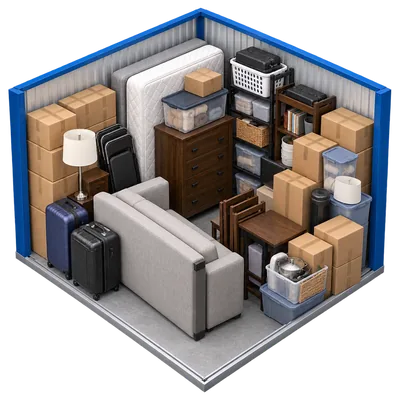
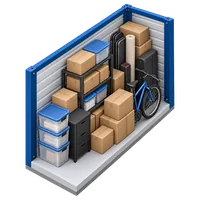
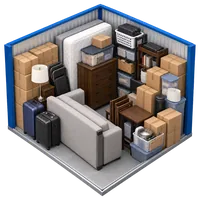
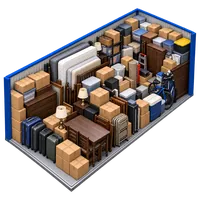
Unit sizes are listed as width by depth in feet. A 10x10 is about ten feet wide and ten feet deep, or 100 square feet of floor space. With a typical eight-foot ceiling, it has roughly 800 cubic feet of volume. Exact interior dimensions, ceiling height and door width vary by property, so confirm them if you have oversized pieces.
| Size | Floor area | Often used for |
|---|---|---|
| 5x5 | 25 sq. ft. | Boxes, seasonal items, small furniture |
| 5x10 | 50 sq. ft. | A studio's furniture or apartment overflow |
| 10x10 | 100 sq. ft. | A furnished one-bedroom or lighter two-bedroom |
| 10x15 | 150 sq. ft. | A two-bedroom home with appliances |
| 10x20 | 200 sq. ft. | A larger home's furniture or most passenger cars |
| 10x25 | 250 sq. ft. | A three- or four-bedroom home |
Room counts are only a rough starting point. A sparsely furnished two-bedroom can need less space than a one-bedroom with a sectional, a full dining set and a home gym.
Choosing the Right Storage Unit
Start with an inventory. Write down every large item, such as beds, sofas, dressers, tables and appliances, then estimate how many boxes you'll have. Large furniture determines the size far more than boxes, because boxes can be stacked and furniture usually can't.
Next, think about how you'll use the unit. If you'll visit often, leave room for an aisle so you can reach things at the back, which may mean choosing the next size up. If you're storing everything for a short move and won't need anything until move-in day, you can pack more tightly.
Example: between leases
If your lease ends two weeks before your new home is ready, a unit near your new address saves a long drive on move-in day. Load the items you'll want first, like beds and kitchen boxes, closest to the door so you can set up quickly.
Not sure which size?
Our storage unit size guides show what typically fits in each size, with packed examples and floor plans.
What Affects the Cost of a Storage Unit?
Storage prices vary widely. Size is the biggest factor, but location matters too: units in dense cities tend to cost more than those in suburbs or small towns. Climate control, indoor access, ground-floor placement and extended access hours can all add to the monthly rate, while availability and seasonal demand cause prices to rise and fall.
When you compare facilities, look past the headline price. Ask whether the rate is an introductory offer, how much it may change later, and whether there's an administrative fee, a required lock or a protection plan. The cheapest unit isn't always the best value if it's far away or hard to load.
Renting and Moving In
Bring a photo ID and a payment method on move-in day, along with a sturdy lock if you don't plan to buy one at the facility. Before loading, check the unit is clean and dry. Lay down pallets or plastic sheeting if you're storing items that shouldn't sit directly on concrete.
Pack in labeled boxes of similar sizes so they stack steadily, put heavy items on the bottom and keep a simple list or photos of what's where. Disassemble bed frames and tables, and bag hardware with the piece it belongs to. A little organization on day one makes every visit afterward quicker.
Frequently Asked Questions About Storage Units
How does renting a storage unit work?
You choose a unit size at a facility, sign a rental agreement and usually pay the first month's rent at move-in. You bring your own lock, move your belongings in and visit during the facility's access hours. Many facilities rent month to month, so you can leave with notice.
What size storage unit do I need?
It depends mostly on your furniture. A 5x5 handles boxes and small items, a 10x10 often holds a one-bedroom apartment and a 10x20 suits a larger home. Our size guides walk through each option.
How much does a storage unit cost?
Prices vary widely by city, unit size, climate control and demand. Smaller units generally cost less each month than larger ones, and some facilities offer introductory rates. Enter your location to compare current prices nearby.
Do I need a long-term contract?
Many facilities rent units month to month, so you aren't locked into a long lease. Read your agreement for the notice period, payment due dates and any fees before you sign.
Can I access my storage unit any time?
Access hours depend on the facility. Some offer access every day during set hours, while others offer extended or around-the-clock access. Ask about gate hours before you rent if you'll visit early or late.
What can't I store in a storage unit?
Common restrictions include flammable or hazardous materials, perishable food, firearms and explosives, plants and animals. Facilities also prohibit living in a unit. Your rental agreement lists the specific rules.
Is my stuff insured in a storage unit?
Not automatically. Many facilities require proof of insurance or offer a protection plan, and some homeowners or renters policies extend coverage to items in storage. Check your policy and the facility's requirements.
Should I get a climate-controlled unit?
Consider climate-controlled storage for wood furniture, electronics, documents, photos and other items sensitive to heat or humidity, especially over several months. A standard unit is often fine for boxes, tools and plastic or metal items.
Can I store a car in a storage unit?
Many cars fit in a 10x20 unit, though you should check the door size and the facility's vehicle policy. Some facilities also offer dedicated parking spaces; see our car storage guide.
 (888) 218-0157