You may not think about insurance when you rent a storage unit for a sofa, seasonal boxes, or furniture during a move. But belongings can be damaged by covered events such as fire or theft, and some losses—particularly those involving flooding, gradual moisture, or excluded valuables—may not be covered by the policy you already have. The question is not simply whether the facility asks you to buy a plan. It is whether your actual property has enough protection for the risks you want covered.
Some facilities require proof of qualifying coverage or enrollment in an approved protection arrangement as a condition of rental. Others leave the choice to the renter. Before checking a box, review the rules and compare your existing homeowners or renters insurance with the option offered at the facility.
Start with the value of what you will store
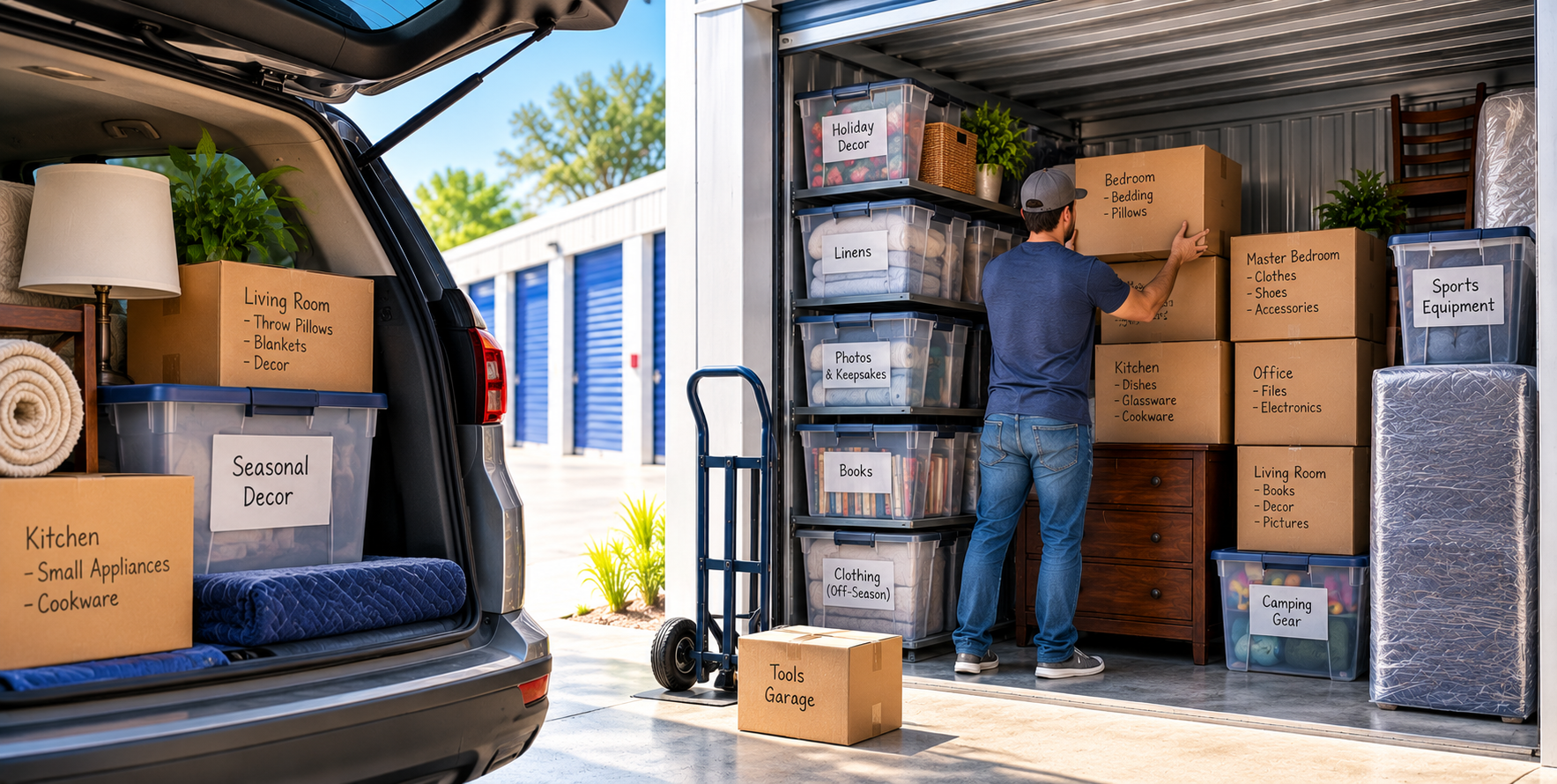
Write down the contents of the unit and estimate replacement cost, not just what you originally paid. A used couch may be worth little at resale but expensive to replace with a comparable item. Appliances, electronics, tools, business inventory, and furniture can add up quickly. Photograph high-value pieces and keep receipts where available.
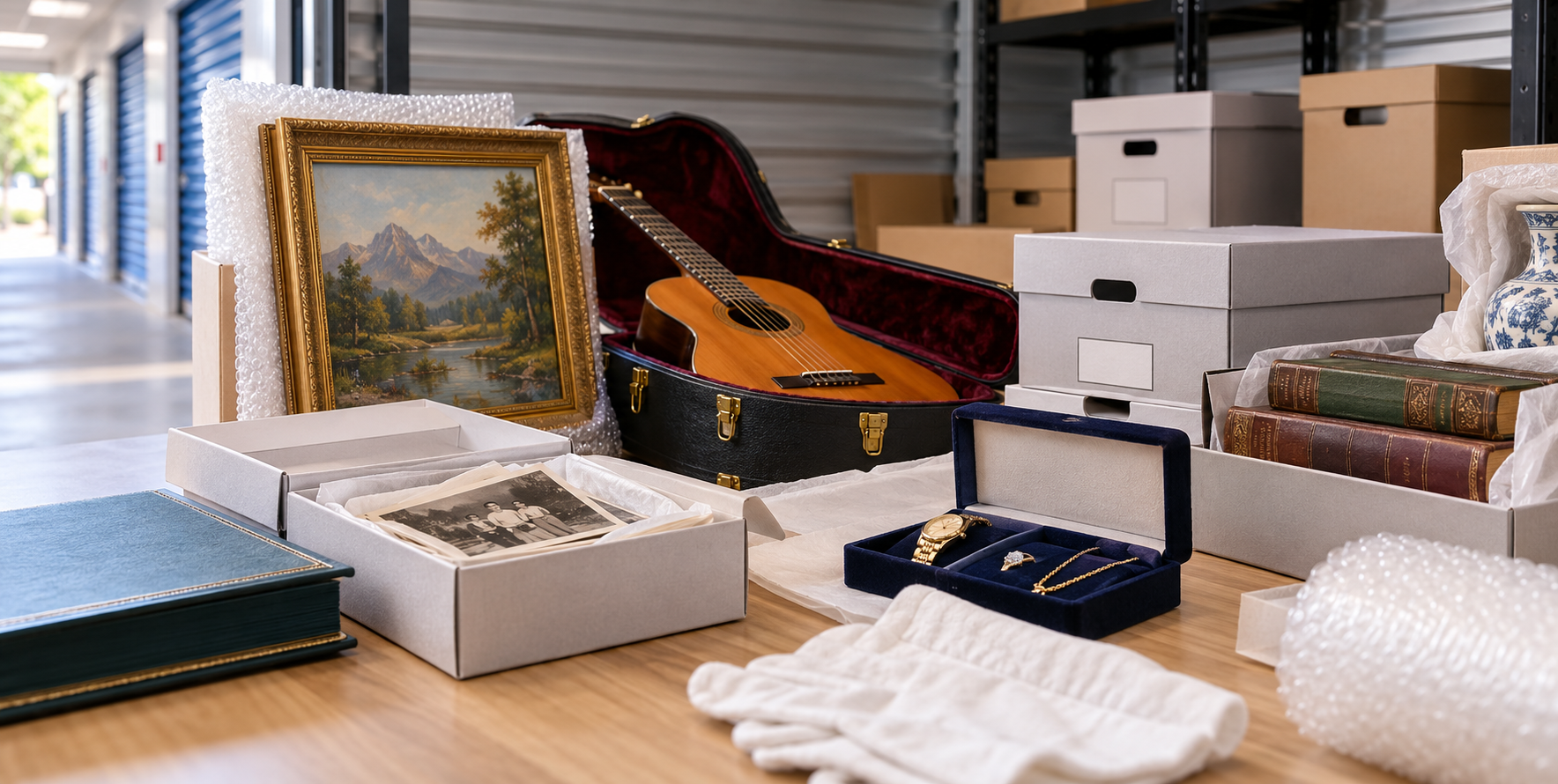
This inventory also helps you avoid buying a very small coverage limit for a much larger collection. Pay attention to unusual belongings such as jewelry, fine art, collectibles, documents, and vehicles; standard storage insurance or protection plans may exclude them or impose special limits.
Check your homeowners or renters policy
Many homeowners and renters policies offer some coverage for personal possessions away from the insured home. However, an off-premises sublimit may apply, and coverage can be affected by the type of item, how long it is stored, the cause of loss, and policy wording. The Insurance Information Institute notes that off-premises limits are common, so the amount available for belongings at a storage facility may be much lower than your overall personal property limit.
Call your insurer with the location, storage duration, and approximate contents. Ask whether a storage unit is covered, which perils are included, what the deductible is, and whether you need to provide proof to the facility. Confirm the answers in writing or in policy documents; a general statement that your property is “covered away from home” may miss important conditions.
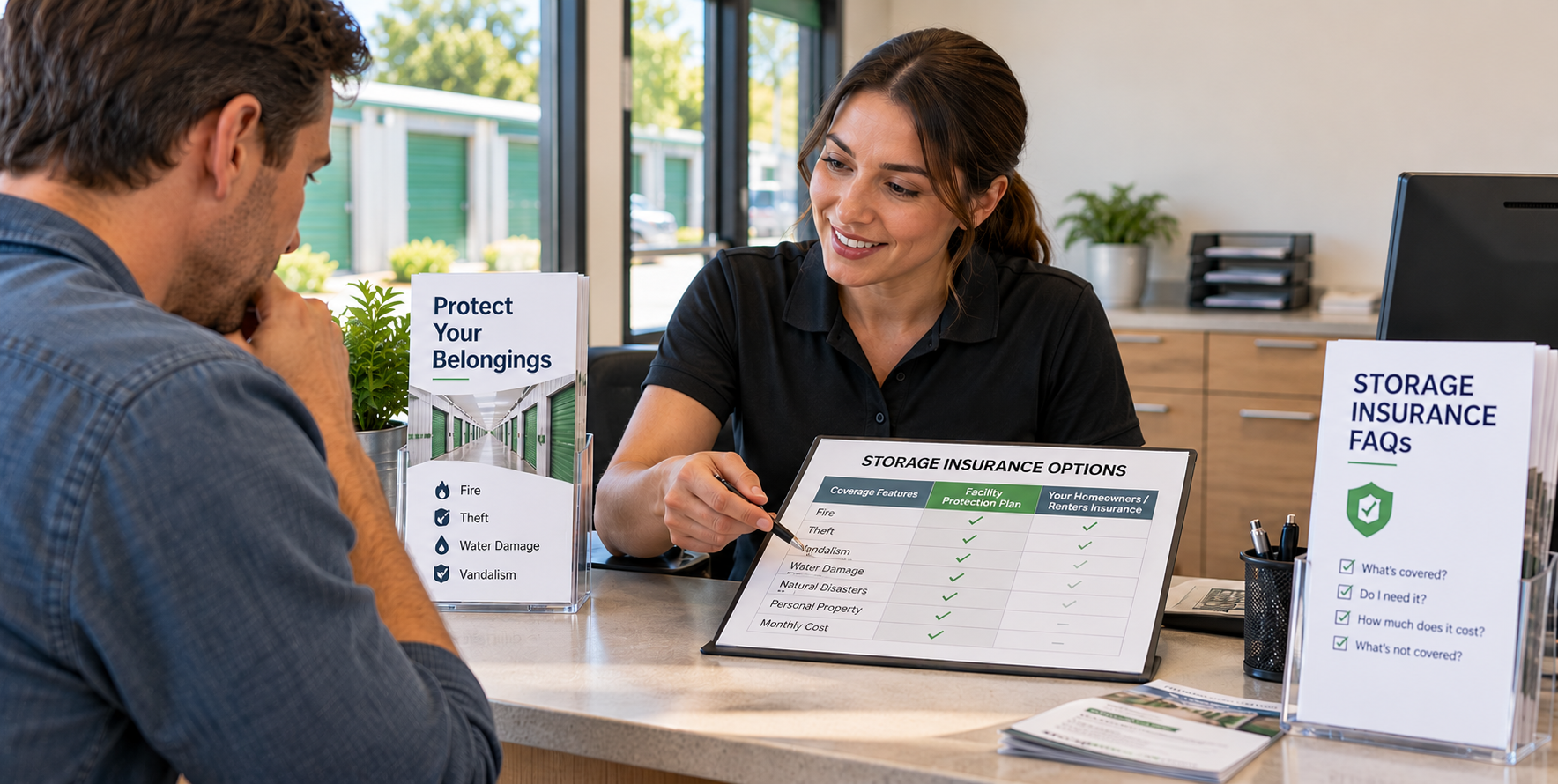
Compare storage protection plans with independent policies
Facilities may offer tenant insurance, a protection plan, or a property protection program. Those terms are not always interchangeable. An insurance policy is regulated as insurance, while some contractual protection programs operate differently. Read the actual certificate or agreement, identify the provider, and confirm what types of damage are covered and what documentation a claim requires.
Compare monthly cost, coverage limit, deductible, exclusions, treatment of depreciation, and cancellation rules. Ask whether the advertised rent includes any required protection charge. The least expensive option is not necessarily the best if a single excluded peril accounts for the main risk at your chosen location.
Know the exclusions that matter most
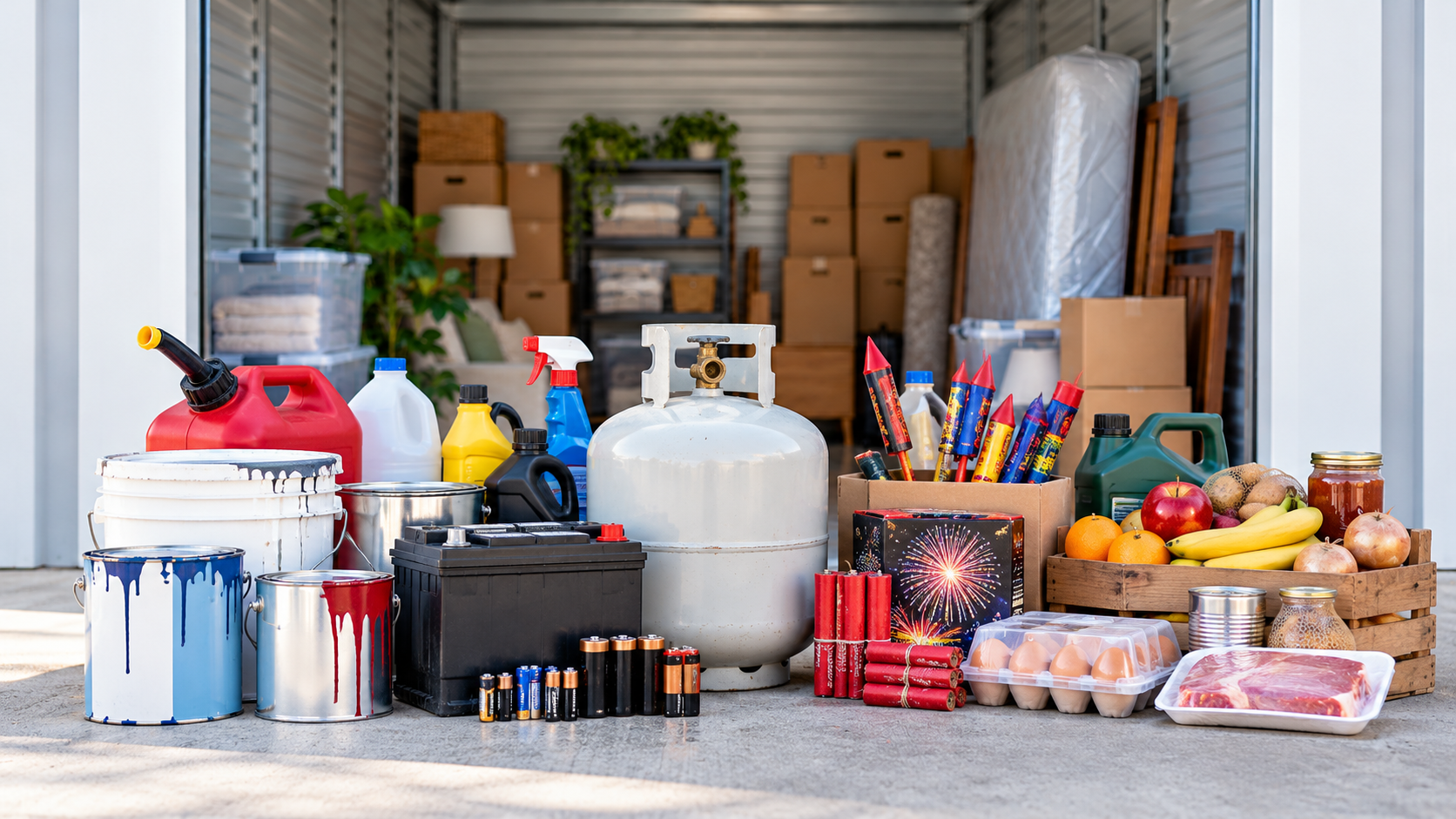
Water damage is often the biggest source of confusion. Policies may distinguish burst pipes, wind-driven rain, groundwater flooding, and gradual moisture or mold. Flood coverage is frequently separate from ordinary renters or homeowners insurance. Other common points to review include vermin, improper packing, mechanical failure, mysterious disappearance, and damage caused by normal deterioration.
The insurer or protection provider may also limit coverage for unusually valuable items and business property. If you plan to store a car, boat, or ATV, check the relevant vehicle insurance; a household property policy or storage plan should not be assumed to cover the vehicle itself.
Does a storage facility's security replace insurance?
No. Gated access, cameras, lighting, and staff procedures can be useful risk-reduction measures, but they do not guarantee that property will be free from loss. Likewise, a facility's building insurance typically protects the facility's own property, not necessarily the contents of every customer's unit. Review the rental contract for how liability is allocated and what protection, if any, is included.
Keep possessions off damp floors, use good locks, pack carefully, and choose a suitable environment for sensitive materials. Insurance is one part of a sensible storage plan, not a substitute for preventing avoidable damage. See the guide to Storing Your Valuables for further precautions.
When extra coverage may be worthwhile
Additional coverage deserves attention when you store the bulk of a household, expensive electronics, furniture that would be costly to replace, or possessions during a long move. It can also matter if your existing policy has a high deductible or a low off-premises limit. On the other hand, someone storing a few low-value seasonal bins may decide that existing qualifying coverage is adequate.
The right choice depends on the policy details, not a universal price rule. A modest monthly premium could be reasonable in one case and duplicative in another. Verify the total cost and benefits before making a decision.
Prepare for a possible claim before a loss happens
Take dated photographs of the unit, contents, and packing arrangement. Store a digital inventory separately and keep important receipts or ownership records. Know whom to contact if water enters the unit, a door is damaged, or property is missing. Prompt notification and clear documentation can matter under the terms of a policy or protection agreement.
If an incident occurs, document conditions safely before moving or discarding damaged belongings, subject to emergency directions and policy requirements. Avoid making assumptions about coverage until the provider reviews the claim. Your job is to keep a clear record and follow the reporting process.
Frequently Asked Questions
Is storage unit insurance legally required?
There is no single nationwide rule requiring every renter to buy a specific storage insurance product. Facilities may impose contract requirements for qualifying coverage or protection; check the rental terms and applicable law.
Does renters insurance cover items in self-storage?
Often some off-premises coverage is available, but limits and exclusions vary. Confirm the actual storage location, items, covered events, and deductible with your insurer.
Is a facility protection plan the same as insurance?
Not always. Different programs can have different legal structures and claims procedures. Read the written documents and verify who provides coverage or contractual protection.
Is flood damage covered?
Do not assume it is. Flooding, pipe leaks, rain intrusion, and gradual moisture can be treated differently. Check the precise definitions in the policy or plan.
How much coverage should I choose?
Begin with a realistic inventory and replacement-value estimate, then account for policy limits and exclusions. A coverage amount far below the value of your contents may leave a significant gap.