Some belongings are valuable because they cost a lot to replace. Others matter because they cannot be replaced at all: family photographs, a handwritten letter, a painting, a collection assembled over decades, or an instrument with personal history. These items deserve more planning than ordinary household boxes, particularly if they will be stored during a move, renovation, or long period away from home.
Good storage starts with a clear assessment of what you own, what could go wrong, and what protection each item requires. A locked self-storage unit can be useful for many household possessions, but it is not the best solution for everything that is expensive or irreplaceable.
Decide what should not go into ordinary storage
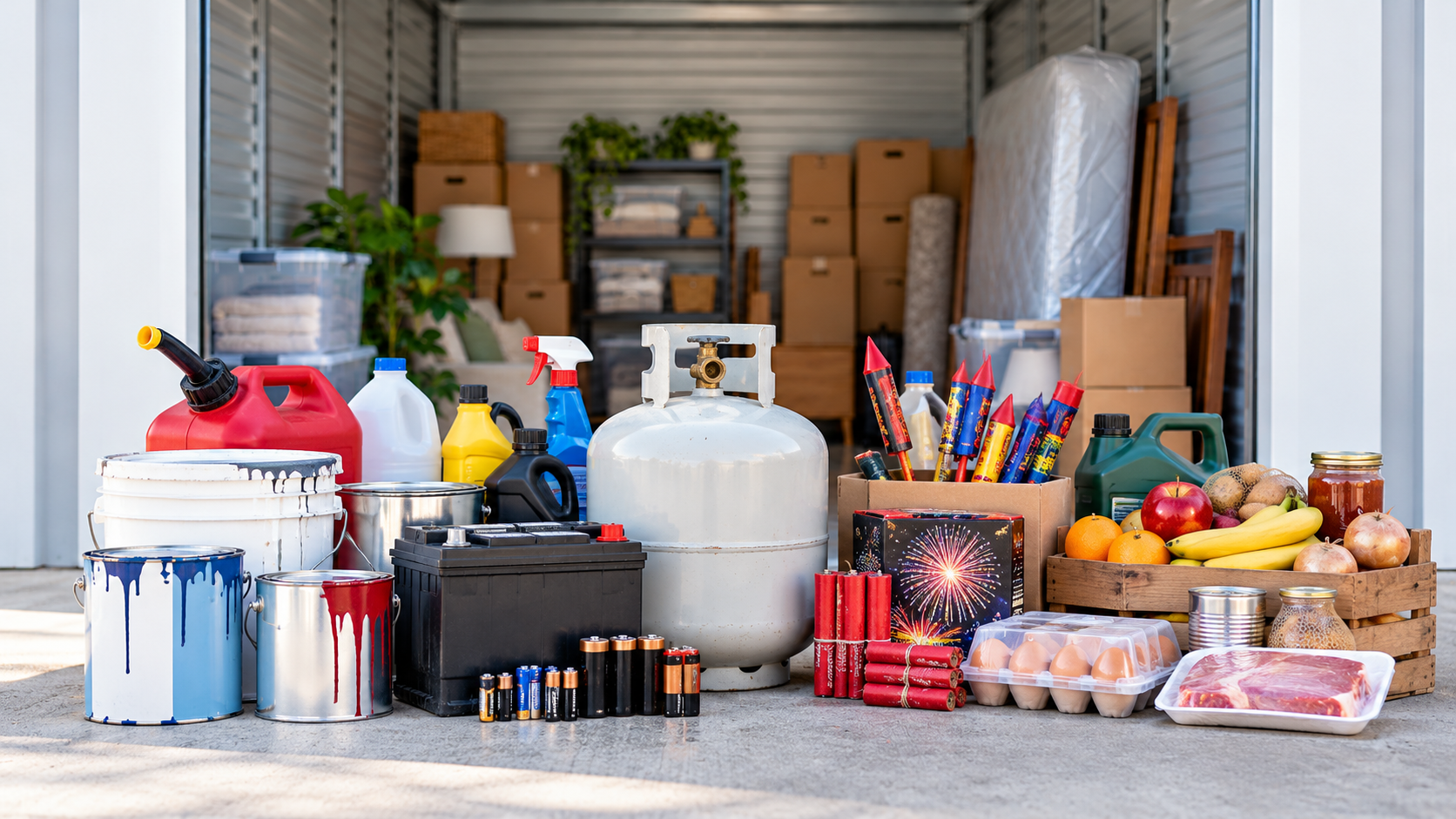
Identify items that need to stay under your direct control: cash, passports, birth certificates, essential legal papers, prescriptions, irreplaceable small keepsakes, and high-value jewelry. These are often better kept in a secure home safe, a suitable bank service, or a specialist vault arrangement. Some storage facilities prohibit cash, securities, jewelry, firearms, hazardous materials, and other categories entirely, regardless of how securely they are packed.
Review your rental agreement before making assumptions. Even where an item is allowed, the storage environment may be unsuitable. Temperature-sensitive artworks, magnetic media, historical documents, musical instruments, and delicate collectibles can require more protection than a conventional storage unit provides.
Make a detailed inventory with photographs
Create an inventory of valuables before moving them. Include a description, identifying marks, serial numbers where applicable, photographs, estimated values, receipts, and any professional appraisals. Document existing scratches or damage so you have a baseline later. Store the inventory separately in a secure location or protected digital account, not solely in a box beside the valuables.
If an item is part of a set, photograph the complete set and list the pieces. This matters for collectibles and inherited belongings where missing one part may significantly affect value. Update the list when possessions are sold, moved, retrieved, or added to the collection.
Match storage materials to the item
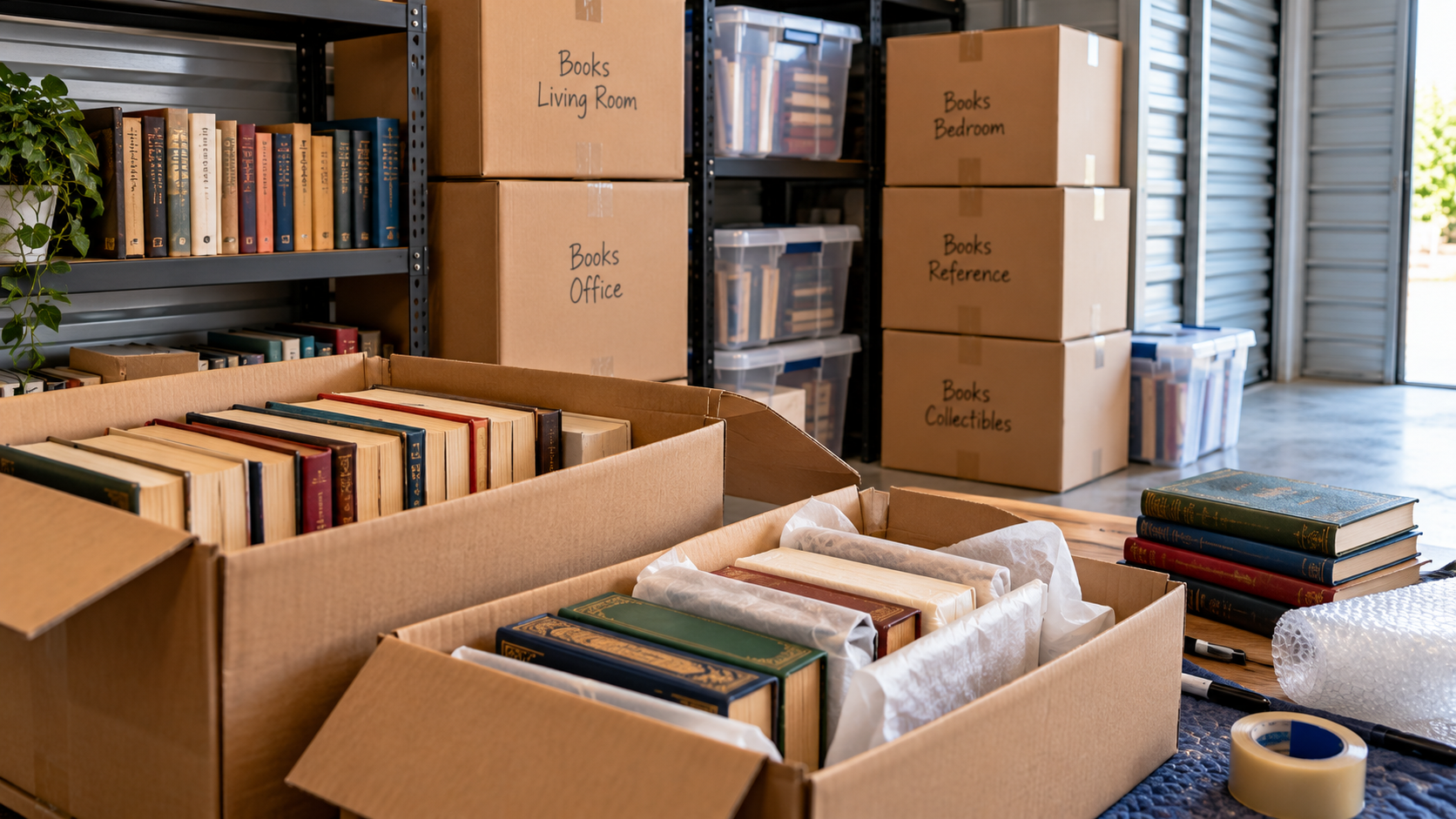
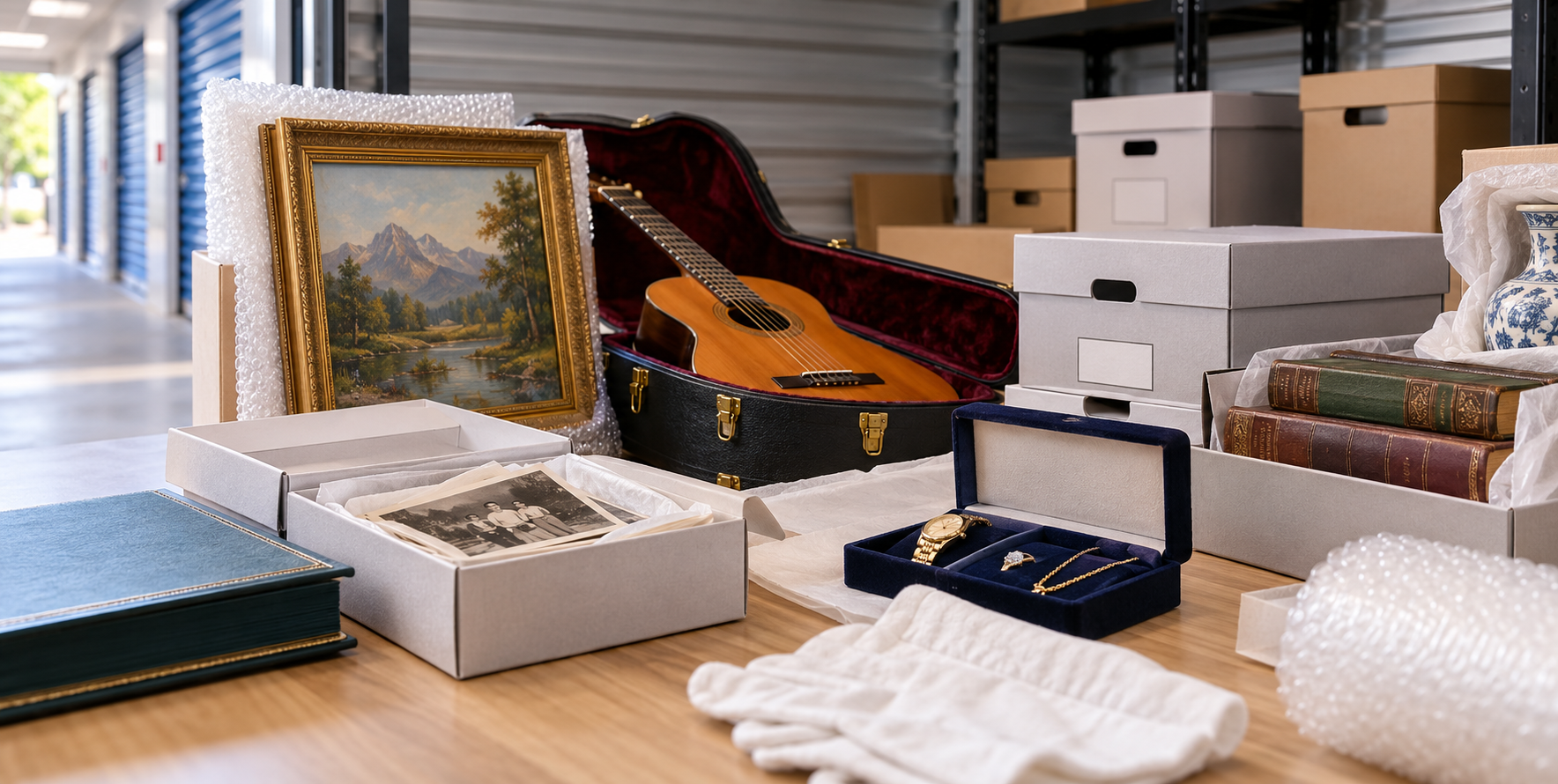
Different valuables fail in different ways. Artwork may need custom framing or crating; paper needs clean archival-quality enclosures; electronic devices need safe temperature and moisture conditions; antique furniture can react to humidity; and jewelry requires individually separated padded storage. A single generic plastic bin is not the right answer for every material.
Avoid placing adhesive tape directly on finishes, fragile paper, or painted surfaces. Use clean, supportive packaging rather than wrapping items so tightly that they are bent or compressed. If an object is already damaged or exceptionally valuable, consult a conservator, appraiser, or specialist mover before packing it.
Understand security features and their limitations
When comparing facilities, look at controlled access, lighting, site monitoring, door condition, staff procedures, and the ability to use an appropriate lock. Visit if possible and pay attention to signs of water problems and poorly maintained common areas. Ask how access codes are managed and what happens if keys or codes are lost. Security features reduce some risks, but no facility can eliminate every possibility of theft, flood, fire, or damage.
Keep sensitive details private and do not advertise valuable contents on boxes. If you visit a unit after dark, consider visibility and personal safety as well as the facility's published access hours. For items that require truly high security, compare specialized storage providers rather than relying on general self-storage marketing terms.
Choose an environment that protects the material
Changes in temperature and relative humidity can damage wood, paper, art, leather, film, and certain electronics. A climate-controlled unit may reduce exposure to outdoor extremes, but ask about humidity conditions and monitoring if preservation is important. Keep belongings off the floor where practical and away from doors or walls with signs of moisture.
Photographs, rare books, antique textiles, and valuable recordings may be better kept in archival storage. Ordinary self-storage is appropriate for many possessions, but you should not assume that climate control alone replicates the environment of a museum, document archive, or specialty vault.
Understand insurance before moving anything in
A storage rental is not automatically a promise to reimburse you if possessions are damaged or stolen. Homeowners or renters policies may provide off-premises coverage, but limits and exclusions can apply. Valuable collections may have special category limits or require scheduled coverage. Compare any storage-related protection plan with your existing policy and ask how water damage, theft, mysterious disappearance, and accidental breakage are treated.
The most important question is whether the actual value of the contents is covered for the risks you care about. Keep copies of policy documents and appraisals outside the unit, and learn how a claim would be documented before a loss occurs. Storage unit insurance and self-storage insurance deserve their own review rather than a quick checkbox at checkout.
Pack the unit so nothing valuable is crushed
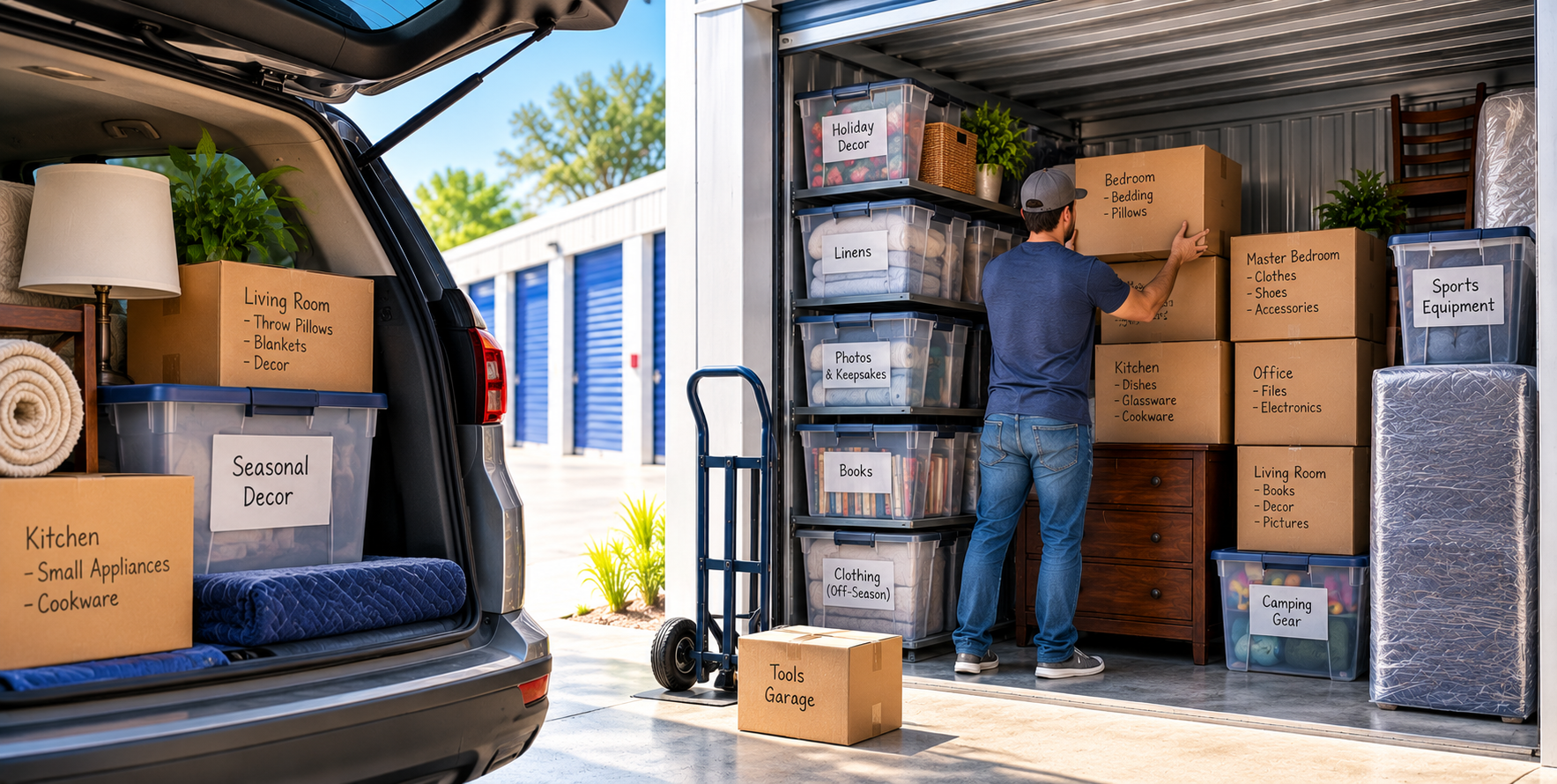
Arrange heavy and sturdy items first, leaving room for delicate cartons on stable shelves or safe upper positions. Never stack appliances or weighty furniture on top of collectibles, artwork, or heirlooms. Keep a narrow access aisle so you can inspect possessions without shifting everything around. Label containers clearly for yourself without identifying valuable contents to anyone who sees the exterior.
Measure unusually large items before renting. A 5x10 unit might fit several boxes and small furniture pieces, but a collection with large paintings, cabinets, or fragile crates can need a much larger footprint than its contents suggest. Leave room for padding and handling, not just storage volume.
Inspect and update your plan over time
Check on stored belongings at sensible intervals, particularly after severe weather or a change in facility conditions. Look for moisture, pests, unusual odors, disturbed packaging, or shifts in stacked items. Update appraisals and insurance when the value of the collection changes. If you will be away for an extended period, decide who is authorized to act if a facility needs to contact you.
When taking valuables out of storage, inspect and photograph them before discarding protective materials. A thoughtful record can help you identify any changes and decide whether a specialist should examine an item before it is used or displayed again.
Frequently Asked Questions
Is a self-storage unit safe for expensive items?
It can be appropriate for some permitted possessions, but security and environmental needs vary. For high-value jewelry, essential documents, cash, or irreplaceable collectibles, a more specialized solution may be preferable.
Do storage facilities insure valuable belongings?
Not automatically. Rental agreements, optional protection plans, and independent insurance policies can differ substantially. Confirm written limits, exclusions, and covered causes of loss before storing anything valuable.
Do I need an appraisal before storing collectibles?
An appraisal may be useful for insurance or estate documentation, especially for expensive art, antiques, or jewelry. Keep photographs, receipts, and identification records even when a formal appraisal is unnecessary.
Is climate control enough for art or historical documents?
Not necessarily. Climate control is a broad facility feature; specialized collections may require tighter environmental monitoring, custom enclosures, and conservation-grade handling.